Liability vs Full Coverage Car Insurance Difference
Liability vs Full Coverage Car Insurance Difference! Choosing the right car insurance is one of the most important financial decisions every driver must make. Many drivers struggle to understand the liability vs full coverage car insurance difference, and choosing the wrong option can leave you either overpaying or dangerously underprotected. Both types of coverage serve different purposes, and knowing when to choose each one can save you thousands of dollars and protect you from financial disaster.
Major insurance providers like GEICO, State Farm, and Allstate offer both liability and full coverage policies, but each option provides different levels of protection.
This complete guide explains everything clearly.

What Is Liability Car Insurance
Definition of Liability Insurance
Liability insurance covers damage and injuries you cause to other people and their property. It does NOT cover your own vehicle damage.
This is the minimum legal requirement in most U.S. states.
Liability insurance protects you financially if you cause an accident.

What Liability Insurance Covers
Liability insurance includes two main components:
Bodily Injury Liability
Covers:
- Medical expenses for other driver
- Hospital bills
- Injury treatment
- Legal fees
Example: If you hit another car and the driver is injured, liability insurance pays their medical bills.
Property Damage Liability
Covers:
- Damage to other vehicles
- Damage to buildings
- Damage to fences, poles, or structures
Example: If you crash into someone’s car, liability insurance pays for their repair.
What Liability Insurance Does NOT Cover
Liability insurance does NOT cover:
- Your own car repair
- Your medical expenses
- Theft
- Natural disasters
- Vandalism
This is the key limitation in the liability vs full coverage car insurance difference.

What Is Full Coverage Car Insurance
Definition of Full Coverage
Full coverage includes:
- Liability insurance
- Collision coverage
- Comprehensive coverage
It protects both you and others.
Collision Coverage Explained
Collision coverage pays for damage to your own vehicle after an accident.
Covers:
- Collision with another car
- Collision with object
- Single-car accidents
Example: If you hit a wall, collision coverage pays for your repair.

Comprehensive Coverage Explained
Comprehensive coverage protects against non-accident damage.
Covers:
- Theft
- Fire
- Flood
- Storm damage
- Vandalism
- Falling objects
Example: If your car is stolen, comprehensive coverage pays vehicle value.
This is a major advantage in the liability vs full coverage car insurance difference.

Key Difference Between Liability and Full Coverage
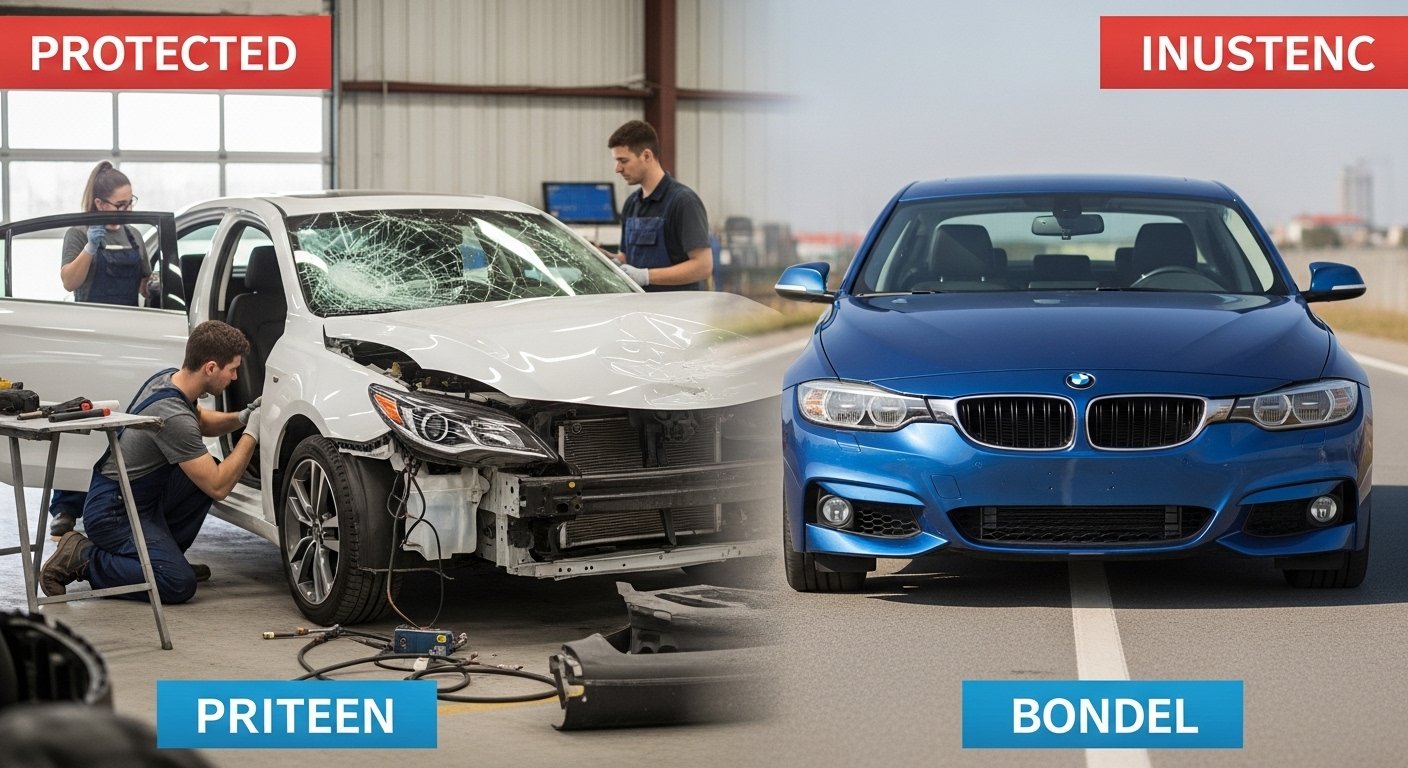
Protection Level Comparison
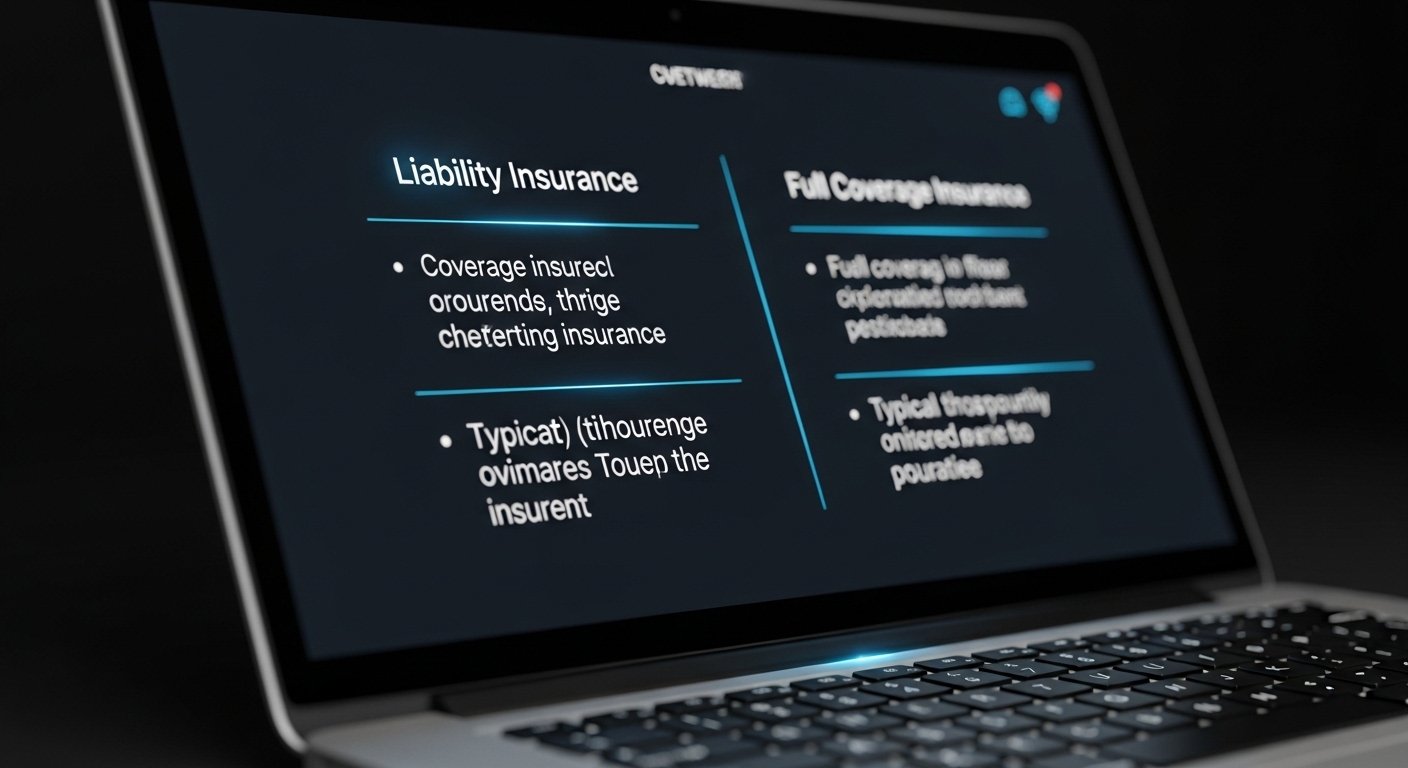
Liability insurance protects other people.
Full coverage protects:
- Other people
- Your vehicle
- Your financial investment
Key Difference Between Liability and Full Coverage
Cost Comparison
Liability insurance is cheaper.
Typical annual cost:
- Liability: $500 to $900
- Full coverage: $1,200 to $2,500
Full coverage costs more but provides more protection.

Financial Risk Comparison
With liability only:
You pay for your own car repair.
With full coverage:
Insurance pays your repair cost.
This is the most important factor in the liability vs full coverage car insurance difference.

Coverage Comparison Table
| Feature | Liability Insurance | Full Coverage Insurance |
|---|---|---|
| Covers other driver’s damage | Yes | Yes |
| Covers your car damage | No | Yes |
| Covers theft | No | Yes |
| Covers vandalism | No | Yes |
| Covers weather damage | No | Yes |
| Covers collision damage | No | Yes |
| Required by law | Yes | No |
| Monthly premium cost | Lower | Higher |
When Liability Insurance Is Enough
Liability insurance is best if:
- Your car is old
- Your car value is low
- You want cheapest option
- You can afford repair costs
Example:
If your car is worth $2,000, full coverage may not be worth it.
Understanding this helps clarify the liability vs full coverage car insurance difference.

When Full Coverage Is Recommended
Full coverage is best if:
- Your car is new
- Your car has high value
- You have car loan or lease
- You cannot afford repair costs
Lenders require full coverage for financed vehicles.

Risk Example Scenario
Scenario 1: Liability Only
You cause accident damaging your car.
Insurance pays:
- Other driver damage: Yes
- Your car damage: No
You pay repair yourself.
Scenario 2: Full Coverage
You cause accident damaging your car.
Insurance pays:
- Other driver damage: Yes
- Your car damage: Yes
Insurance covers your loss.

Cost vs Protection Balance
Liability insurance saves money monthly.
Full coverage saves money during accidents.
Drivers must balance:
- Budget
- Risk tolerance
- Vehicle value
This decision defines the liability vs full coverage car insurance difference.

Who Should Choose Liability Insurance
Best for:
- Older cars
- Low-value vehicles
- Drivers with savings
- Budget-focused drivers

Who Should Choose Liability Insurance
Who Should Choose Full Coverage
Best for:
- New car owners
- Expensive vehicles
- Loan or leased vehicles
- Risk protection focused drivers
Who Should Choose Full Coverage
How Car Value Affects Your Choice
Rule of thumb:
If car value is less than 10 times your premium, liability may be better.
Example:
Car value: $3,000
Full coverage cost: $1,500/year
Full coverage may not be worth it.
Legal Requirements
Most states require minimum liability insurance.
Full coverage is optional but recommended.
Lenders require full coverage for financed cars.
Financial Protection Comparison
Liability insurance protects your legal responsibility.
Full coverage protects your financial investment.
Full coverage offers complete protection.
This explains the core liability vs full coverage car insurance difference.
Common Mistake

s Drivers Make
Mistakes include:
- Choosing liability for expensive cars
- Choosing full coverage for very old cars
- Not understanding risk exposure
- Only focusing on price
Smart drivers balance cost and protection.
How to Decide the Best Option
Ask yourself:
- What is my car value?
- Can I afford repair cost?
- Do I have savings?
- Is my car financed?
Answer determines best coverage.
Final Thoughts
Understanding the liability vs full coverage car insurance difference helps drivers make smart financial decisions. Liability insurance is cheaper but provides limited protection, while full coverage offers complete protection but costs more.
Drivers with newer or expensive vehicles should choose full coverage, while drivers with older cars may benefit from liability insurance. The right decision protects both your vehicle and your financial future.