Full Coverage Car Insurance Benefits and Requirements
Full Coverage Car Insurance Benefits and Requirements! Full coverage car insurance is one of the most complete forms of auto protection available. It provides financial security for your vehicle, your liability, and unexpected situations like theft or natural disasters. Many drivers choose full coverage because it offers peace of mind and protects against expensive repair costs.
In this detailed guide, you will learn everything about full coverage car insurance benefits and requirements, including what it covers, who needs it, how much it costs, and how to get the best policy.

What Is Full Coverage Car Insurance
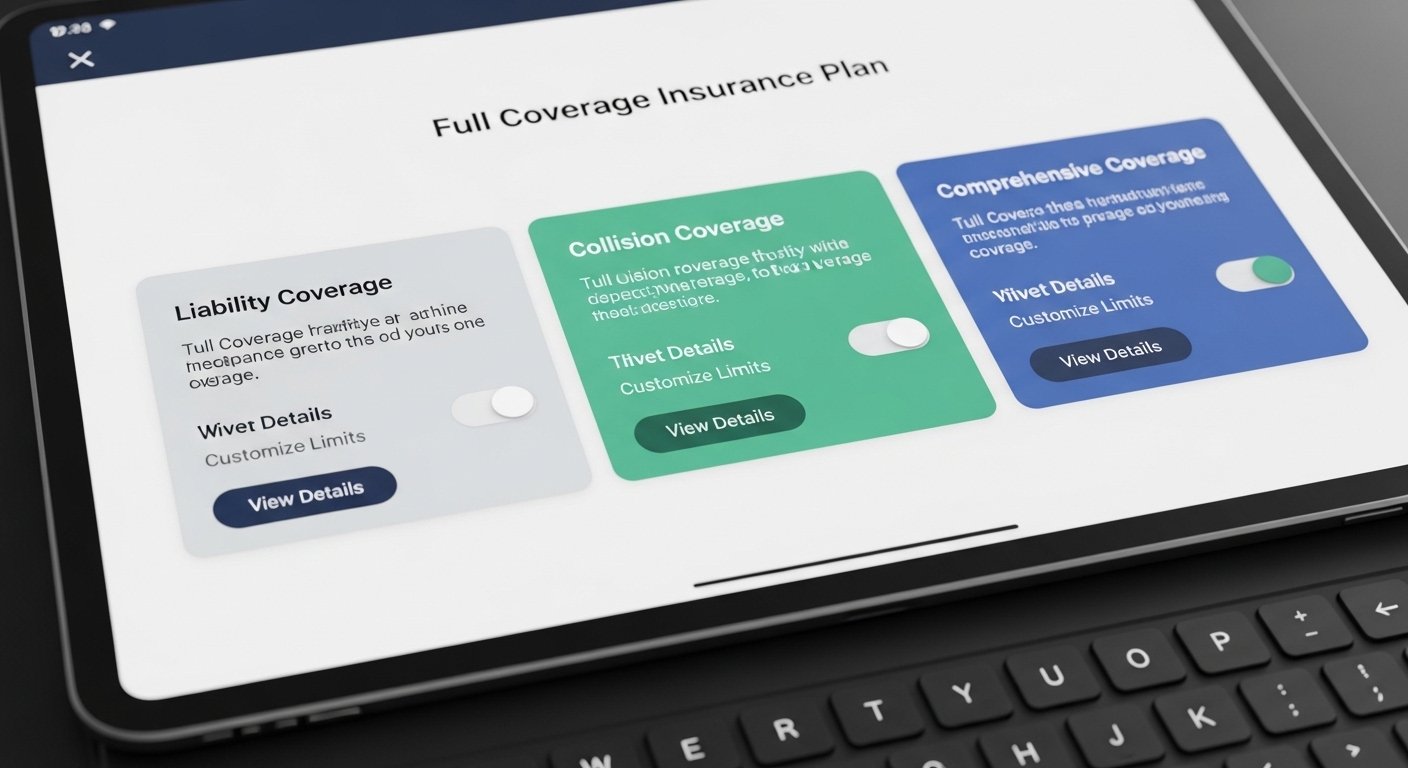
Full coverage car insurance is not a single policy but a combination of different types of coverage that protect both you and your vehicle.
It typically includes:
- Liability insurance
- Collision insurance
- Comprehensive insurance
Together, these protections provide complete financial coverage in most situations.
Understanding full coverage car insurance benefits and requirements helps you decide whether this type of policy is right for your needs.

Main Components of Full Coverage Insurance
Liability Insurance
Liability insurance covers damage you cause to other people and their property.
It includes:
- Bodily injury coverage
- Property damage coverage
This coverage is required by law in most states.
Collision Coverage
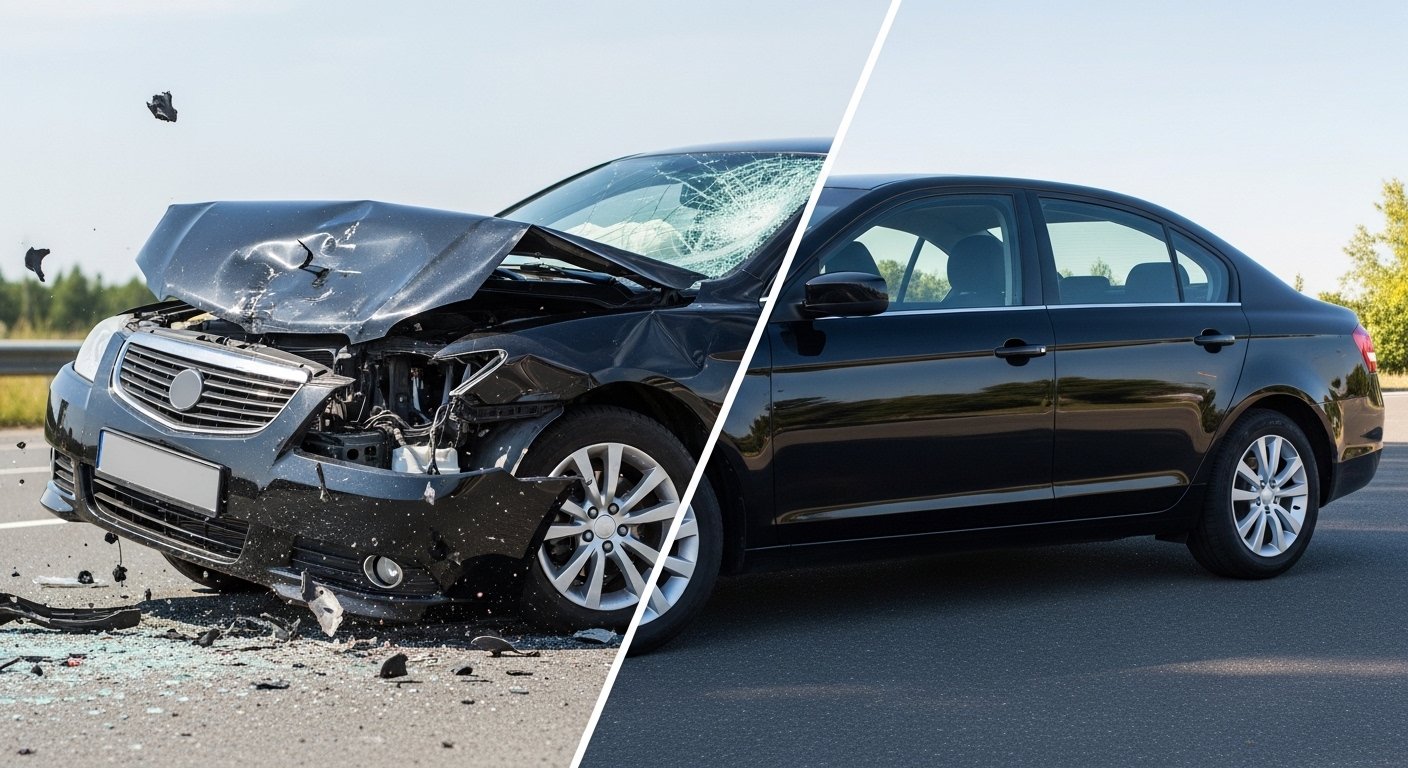
Collision insurance pays for repairs to your car after an accident, regardless of fault.
It covers:
- Accidents with other vehicles
- Collisions with objects
- Single-vehicle accidents
This ensures your vehicle repair costs are covered.
Comprehensive Coverage
Comprehensive insurance protects against non-collision damage.
It covers:
- Theft
- Fire
- Flood
- Vandalism
- Natural disasters
This makes it an essential part of full coverage car insurance benefits and requirements.
Key Benefits of Full Coverage Car Insurance
Full coverage provides several important advantages.
Complete Financial Protection
One of the biggest full coverage car insurance benefits and requirements is financial protection. Repair costs can be expensive, especially for newer vehicles.
Full coverage ensures:
- Repair costs are covered
- Replacement costs may be covered
- Financial losses are minimized

Key Benefits of Full Coverage Car Insurance
Protection Against Theft and Natural Disasters
Cars can be stolen or damaged by events outside your control.
Comprehensive coverage protects against:
- Theft
- Flood damage
- Storm damage
- Fire
This protection is essential for valuable vehicles.
Peace of Mind While Driving
Full coverage allows drivers to feel secure knowing they are protected in most situations.
This reduces stress and financial risk.
Required for Financed or Leased Vehicles
Most lenders require full coverage insurance when financing or leasing a car.
Companies like Toyota Financial Services and Ford Motor Credit require borrowers to maintain full coverage to protect their investment.
This makes understanding full coverage car insurance benefits and requirements essential for financed vehicles.

Requirements for Full Coverage Insurance
Full coverage insurance is not always legally required, but it may be mandatory in certain situations.
Required by Lenders
If you finance or lease a vehicle, lenders require:
- Collision coverage
- Comprehensive coverage
This protects their financial interest.

Recommended for New or Expensive Cars
Full coverage is strongly recommended if your car is:
- New
- Valuable
- Expensive to repair
This ensures maximum protection.
Required Based on Personal Risk Tolerance
Drivers who want financial protection often choose full coverage voluntarily.
Understanding full coverage car insurance benefits and requirements helps drivers make informed decisions.
What Full Coverage Insurance Does Not Cover
Even full coverage has limits.
It does not cover:
- Mechanical breakdowns
- Normal wear and tear
- Maintenance costs
- Intentional damage
Additional policies may be needed for these situations.
Average Cost of Full Coverage Insurance
Costs vary depending on several factors:
- Driver age
- Location
- Vehicle type
- Driving history
- Credit score
New drivers typically pay more, while experienced drivers pay less.
Understanding full coverage car insurance benefits and requirements helps drivers find affordable policies.

How to Get Affordable Full Coverage Insurance
There are several ways to reduce costs.
Compare Multiple Insurance Companies
Different insurers offer different prices.
Companies like GEICO, Progressive, and State Farm offer competitive rates.
Comparing quotes helps find the best deal.
Choose Higher Deductible
Higher deductibles reduce monthly premiums.
However, ensure you can afford the deductible.
Maintain Safe Driving Record
Safe drivers receive lower premiums.
Avoid accidents and traffic violations.
Use Available Discounts
Common discounts include:
- Safe driver discount
- Multi-policy discount
- Good student discount
These discounts reduce costs significantly.

When You Should Choose Full Coverage
Full coverage is ideal if:
- Your car is new
- Your car has high value
- You cannot afford repair costs
- Your car is financed
Understanding full coverage car insurance benefits and requirements helps drivers choose wisely.

When Full Coverage May Not Be Necessary
Full coverage may not be needed if:
- Your car is old
- Your car has low value
- Repair costs are low
In such cases, liability coverage may be enough.
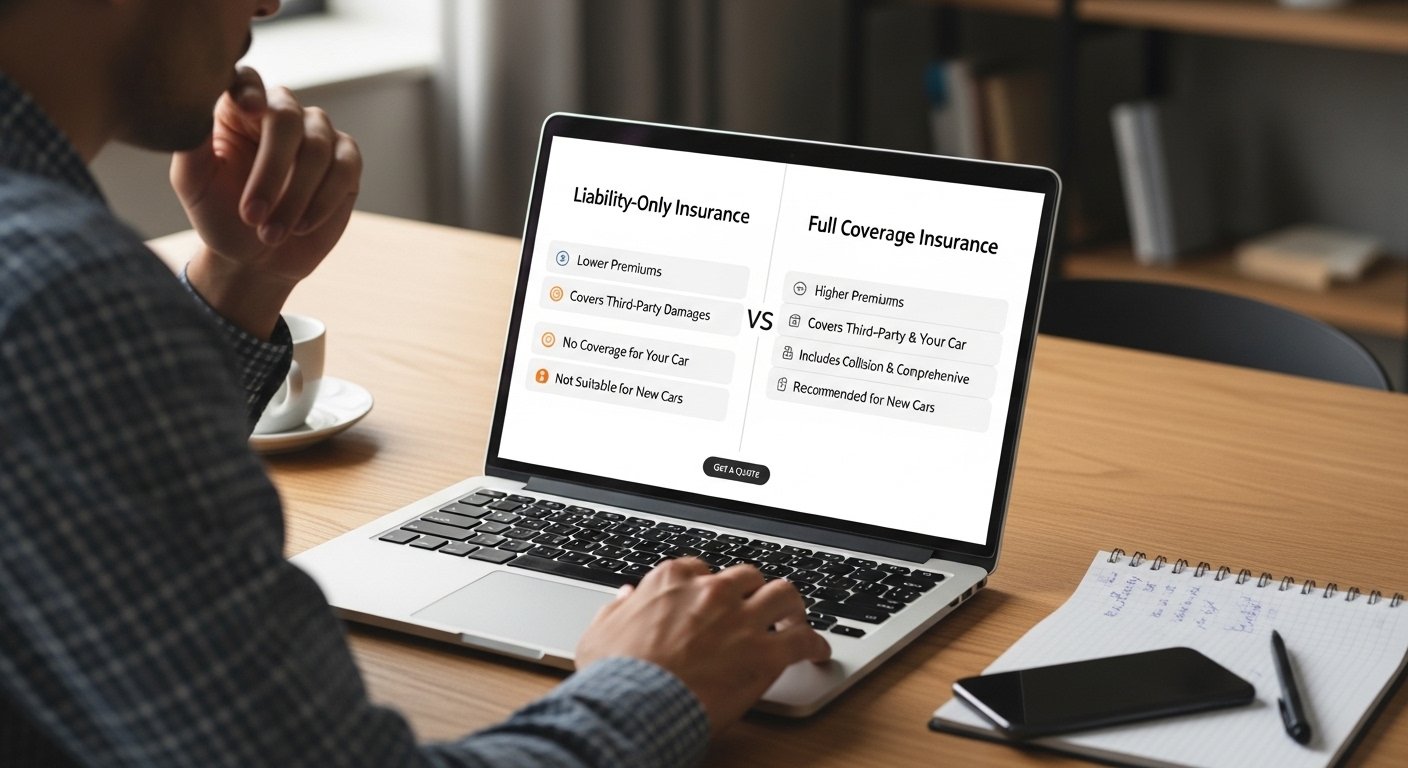
Full Coverage vs Li

ability Insurance
| Feature | Full Coverage | Liability Only |
|---|---|---|
| Covers your car | Yes | No |
| Covers other vehicles | Yes | Yes |
| Covers theft | Yes | No |
| Covers natural disasters | Yes | No |
| Required by lenders | Yes | No |
Full coverage offers more protection but costs more.
How to Buy Full Coverage Insurance
Follow these steps:
Step 1: Gather Information
Prepare your vehicle and driver details.
Step 2: Compare Quotes
Check multiple insurance providers.
Step 3: Choose Coverage Limits
Select appropriate coverage levels.
Step 4: Purchase Policy
Complete the purchase online or through an agent.
This process ensures you understand full coverage car insurance benefits and requirements fully.

Common Mistakes to Avoid
Avoid these mistakes:
- Not comparing quotes
- Choosing low coverage limits
- Ignoring deductible options
- Missing discounts
Avoiding these mistakes helps maximize protection.
Future of Full Coverage Insurance
Modern insurance trends include:
- AI-based pricing
- Personalized premiums
- Usage-based insurance
- Online policy management
These innovations improve affordability and convenience.



Understanding full coverage car insurance benefits and requirements is essential for protecting your vehicle and finances. Full coverage provides comprehensive protection against accidents, theft, and disasters.
Although it costs more than basic insurance, the financial protection and peace of mind make it worthwhile, especially for new or valuable vehicles.
Drivers should compare quotes, choose appropriate coverage, and maintain safe driving habits to get the best policy at the lowest price.