
Detailed Guide to 2026 Health Insurance Deductibles
Detailed Guide to 2026 Health Insurance Deductibles! Health insurance deductibles are one of the most important yet misunderstood aspects of health insurance plans. In 2026, with rising healthcare costs and evolving insurance regulations, understanding deductibles is essential for making smart financial and healthcare decisions.
This detailed guide explains everything you need to know about 2026 health insurance deductibles, including how they work, average deductible amounts, family vs individual deductibles, high-deductible plans, and strategies to manage deductible costs effectively.

What Is a Health Insurance Deductible
A health insurance deductible is the amount of money you must pay out-of-pocket for medical services before your insurance company begins covering the costs. (ehealth)
In simple terms:
- You pay medical bills first
- Once you reach your deductible amount
- Insurance starts sharing the costs
For example:
- Deductible: $2,000
- Medical bill: $3,000
- You pay first $2,000
- Insurance pays part of remaining $1,000
After reaching the deductible, you usually pay coinsurance (percentage) or copays.

How Health Insurance Deductibles Work in 2026
Understanding how deductibles function helps you estimate your real healthcare expenses.
Step 1: You Pay Full Medical Costs Initially
Until you reach your deductible, you pay:
- Doctor visits
- Lab tests
- Hospital services
- Prescription medications
Insurance does not contribute until deductible is met (except preventive services).
Step 2: Coinsurance Begins After Deductible
Once deductible is reached:
- Insurance begins sharing medical costs
- You may pay 10%–30% coinsurance
- Insurance covers remaining percentage (Forbes)

How Health Insurance Deductibles Work in 2026
Step 3: Out-of-Pocket Maximum Protects You
After reaching out-of-pocket maximum:
- Insurance pays 100% of covered services
- You stop paying for eligible medical costs
Average Health Insurance Deductibles in 2026
Deductible amounts vary based on plan type, coverage level6 Cheapest Health Insurance Plans with Family Coverage, and provider.
Individual Deductible Averages
Recent data shows:
- Average individual deductible: around $5,101 annually (ehealth)
- High deductible plans minimum: $1,700 in 2026 (Mercer)
Bronze plans may have deductibles above $7,000.

Family Deductible Averages
Family plans typically have higher deductibles:
- Average family deductible: around $10,310 (ehealth)
- Minimum deductible for family HDHP plans: $3,400 in 2026 (Mercer)
Family deductibles reflect coverage for multiple individuals.
Types of Health Insurance Deductibles
Understanding deductible types helps families choose better plans.
Individual Deductible
This applies to one person only.
Example:
- Individual deductible: $2,000
- You pay first $2,000 of medical costs
Insurance starts covering costs afterward.

Family Deductible
Family plans cover multiple people.
There are two main types:
Embedded Deductible
Each person has individual deductible plus family deductible.
Example:
- Individual deductible: $2,000
- Family deductible: $4,000
If one person reaches $2,000 deductible, insurance starts covering their care. (Forbes)
Aggregate Deductible
Entire family must meet one total deductible amount before insurance covers costs.
Example:
- Family deductible: $5,000
- Insurance starts covering costs after total family expenses reach $5,000

Family Deductible
High Deductible Health Plans (HDHP) in 2026
High Deductible Health Plans are increasingly popular due to lower premiums.
Minimum Deductible Requirements in 2026
According to official guidelines:
- Individual minimum deductible: $1,700
- Family minimum deductible: $3,400 (Mercer)
These plans qualify for Health Savings Accounts (HSAs).
Benefits of High Deductible Plans
HDHP advantages include:
- Lower monthly premiums
- Tax-free savings through HSAs
- Long-term healthcare savings
Median deductible for HDHP plans was around $2,750 based on labor data. (Bureau of Labor Statistics)

Disadvantages of High Deductible Plans
HDHP disadvantages include:
- Higher upfront costs
- Financial risk during emergencies
- Less ideal for people with chronic illnesses
Deductibles vs Premiums: Understanding the Relationship
Deductibles and premiums have an inverse relationship.
Low Deductible Plans
- Higher monthly premiums
- Lower upfront medical costs
- Better for frequent healthcare users

Disadvantages of High Deductible Plans
High Deductible Plans
- Lower monthly premiums
- Higher upfront costs
- Better for healthy individuals
Higher deductibles typically result in lower premiums and vice versa. (ehealth)
Services That May Not Require Deductible Payments
Some healthcare services are covered before deductible:
Preventive Services
Examples include:
- Vaccinations
- Annual checkups
- Screenings
Preventive care is often covered without requiring deductible payments. (Investopedia)

Deductibles and Out-of-Pocket Maximums in 2026
Out-of-pocket maximum protects you from unlimited expenses.
2026 Out-of-Pocket Limits
For 2026 plans:
- Individual limit: $10,600
- Family limit: $21,200 (Mercer)
After reaching this limit:
- Insurance covers 100% of eligible medical costs

Deductibles and Out-of-Pocket Maximums in 2026
How Deductibles Reset
Deductibles reset annually.
Usually reset on:
- January 1st
- Start of new policy year
This means you must meet deductible again each year.
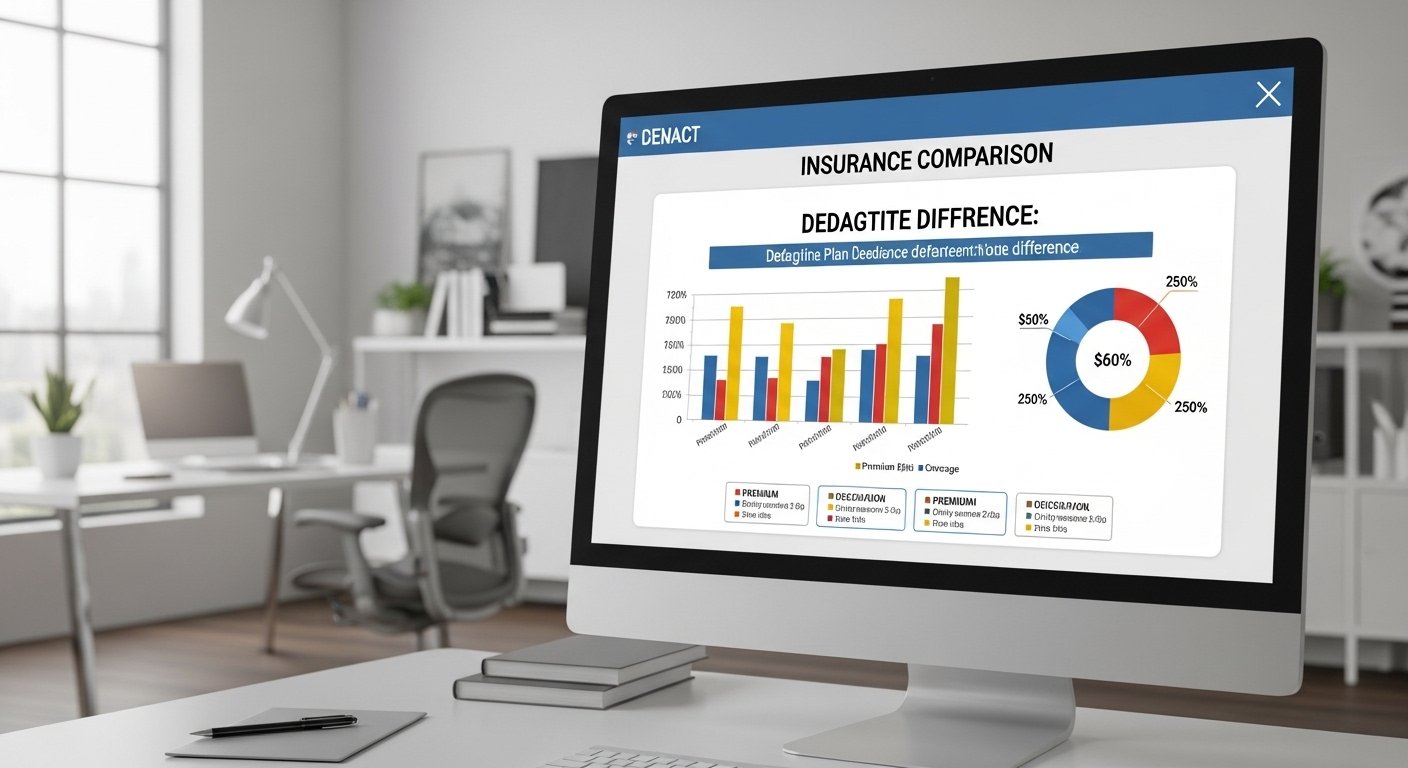
How to Choose the Right Deductible in 2026
Selecting the right deductible depends on several factors.
Choose Low Deductible If
- You visit doctors frequently
- You have chronic medical conditions
- You want predictable medical costs
Choose High Deductible If
- You are healthy
- You rarely visit doctors
- You want lower monthly premiums
How to Choose the Right Deductible in 2026
How to Reduce Deductible Costs
There are several strategies to reduce deductible impact.
Use Health Savings Accounts (HSA)
HSAs allow tax-free savings for medical expenses.
Contribution limits for 2026:
- Individual: $4,400
- Family: $8,750 (Mercer)
Use Preventive Care Services
Preventive services are often free.
This reduces overall medical costs.
Choose In-Network Providers
In-network providers cost less.
Out-of-network care may cost significantly more.
Plan Medical Procedures Strategically
Schedule expensive treatments after meeting deductible.
This reduces your out-of-pocket costs.

Common Mistakes to Avoid
Many people misunderstand deductibles.
Avoid these mistakes:
- Choosing plan based only on low premiums
- Ignoring deductible amount
- Not understanding coinsurance
- Not planning healthcare budget
Example Scenario of Deductible in 2026
Example:
- Deductible: $3,000
- Coinsurance: 20%
- Medical bill: $10,000
You pay:
- First $3,000 deductible
- Remaining $7,000 split
- You pay 20% = $1,400
- Insurance pays $5,600
Total you pay: $4,400

Benefits of Understanding Deductibles
Understanding deductibles helps you:
- Choose better insurance plans
- Avoid unexpected medical bills
- Plan healthcare expenses
- Save money long-term

Benefits of Understanding Deductibles
Conclusion
Health insurance deductibles play a crucial role in determining your healthcare costs in 2026. With average deductibles reaching thousands of dollars and high-deductible plans becoming more common, understanding how deductibles work is essential.
Key points to remember:
- Deductible is amount you pay before insurance covers costs
- Individual deductibles average around $5,000
- Family deductibles average around $10,000
- High deductible plans offer lower premiums but higher upfront costs
- Out-of-pocket maximum protects against unlimited expenses
By understanding deductibles fully, you can choose the best health insurance plan for your financial and healthcare needs.

Leave a Reply